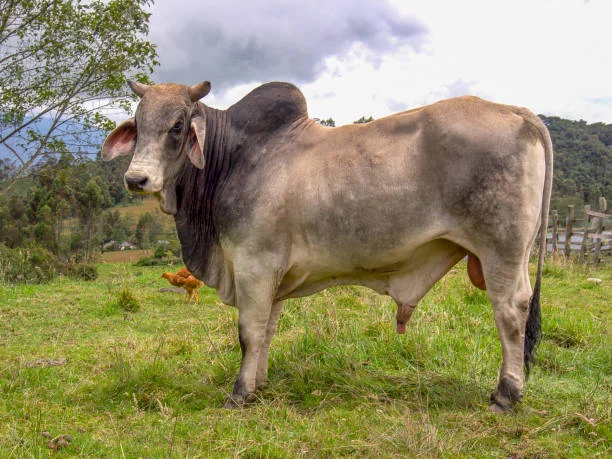

When searching for unusual animals, you may come across the phrase zeebo animal. The name sounds like it could describe a rare or unfamiliar species, but there is an important distinction worth understanding. In most animal-related searches, “zeebo” is likely a misspelling or alternative spelling of “zebu,” a distinctive type of domestic cattle recognized for its prominent shoulder hump, loose skin, and ability to thrive in warm environments.
Zebu cattle have a long history in agriculture, particularly across South Asia, Africa, and other tropical regions. They are valued for their adaptability, strength, and contribution to farming communities. Their physical characteristics also make them easy to distinguish from many other types of cattle.
Understanding the difference between the search term and the animal’s established name helps readers find accurate information. Whether you are researching cattle breeds, learning about unusual mammals, or simply curious about the zeebo animal, exploring the zebu provides a useful starting point.
What Is a Zeebo Animal?
The term “zeebo animal” does not identify a widely recognized scientific animal species. The closest established animal name is zebu, which refers to a group of domestic cattle belonging to the indicine cattle lineage, commonly identified as Bos indicus.
Zebu cattle are sometimes called humped cattle because of the noticeable hump above their shoulders. They also have distinctive loose skin around the neck, relatively long legs, and, in many breeds, large ears.
According to the University of Missouri Extension, zebu cattle were domesticated in the Indus Valley region approximately 7,000 years ago. Their development in this region contributed to their ability to live in tropical and subtropical environments. MU Extension+1
For someone researching the zeebo animal, the following characteristics are particularly important:
- Animal group: Domestic cattle
- Common name: Zebu
- Scientific classification: Bos indicus
- Animal class: Mammal
- Diet: Herbivorous
- Primary food: Grass, hay, forage, and other suitable plant materials
- Distinctive feature: Prominent shoulder hump
- Traditional distribution: South Asia and other tropical regions
- Agricultural uses: Dairy production, beef production, breeding, and draft work
The word “zeebo” may appear in informal searches, but zebu is the established spelling used in agricultural and scientific references.
What Does a Zebu Animal Look Like?
One of the easiest ways to recognize a zebu is by its physical structure. Unlike many European cattle breeds, which generally have a more uniform body profile, zebu cattle have several distinctive features associated with their ancestry and environmental adaptations.
1. The Shoulder Hump
The most recognizable feature is the muscular-looking hump located above the shoulders.
Its size and shape differ depending on the breed, sex, and age of the animal. Adult bulls often have more noticeable humps than females.
The hump is an important identification feature, although it should not be assumed to function simply as a fat-storage reservoir.
2. Loose Skin and Dewlap
Zebu cattle typically have loose skin beneath their necks and around their lower bodies. This hanging fold of skin is known as the dewlap.
The dewlap is especially noticeable in some breeds and contributes to the animal’s distinctive appearance.
Their skin and coat characteristics also play a role in heat regulation, helping them cope with warm environmental conditions.
3. Large Ears
Many zebu breeds have relatively large, drooping ears.
The shape varies considerably. Some animals have shorter ears, while others have long ears that hang beside their faces.
These differences help distinguish individual breeds.
4. Coat Colors
Zebu cattle come in several natural colors, including:
- White
- Light gray
- Dark gray
- Red
- Brown
- Black
- Combinations of different shades
Coat color depends on genetics and breed characteristics. For example, Brahman cattle are commonly associated with gray, red, and white coloring.
5. Body Structure
Most traditional zebu cattle have a relatively narrow body, well-developed legs, and a distinctive neck and shoulder structure.
However, there is considerable variation in body size and build across different breeds. Some are relatively compact, while others are large animals developed for commercial beef production.
Where Does the Zeebo Animal Live?
If you are using “zeebo animal” to refer to zebu cattle, their traditional home is South Asia, particularly the Indian subcontinent.
Over generations, these cattle spread into other parts of Asia, Africa, and tropical agricultural regions. They are also raised in the Americas, including the United States, where zebu genetics are important in certain beef cattle breeding programs.
Natural and Agricultural Environments
Zebu cattle are domesticated livestock rather than wild animals with one specific natural habitat.
They can live in several agricultural environments, including:
- Tropical grasslands
- Open pastures
- Rural farming areas
- Semi-arid grazing regions
- Agricultural ranches
- Subtropical livestock operations
Their adaptability makes them useful in regions where high temperatures and seasonal changes can create challenges for other cattle.
Why Are Zebu Cattle Adapted to Hot Climates?
Zebu cattle possess several physical and physiological characteristics that help them regulate body temperature.
These include their coat structure, skin characteristics, sweating capacity, and other inherited adaptations.
Research published in Animal Reproduction Science explains that zebu cattle generally regulate body temperature more effectively under heat stress than many European-origin cattle breeds. PubMed+1
However, heat tolerance does not mean these animals can survive without proper care. They still need access to clean water, appropriate nutrition, shade, and veterinary attention.
What Does a Zebu Animal Eat?
Zebu cattle are herbivores, meaning their diets consist primarily of plant-based materials.
Like other cattle, they are ruminants. Their digestive systems contain a specialized stomach with four compartments that help them break down fibrous vegetation.
Common Foods in a Zebu Diet
A suitable feeding program may include:
Fresh grass: Pasture grass provides an important source of energy and fiber.
Hay: Dried grasses and legumes can help maintain nutrition when fresh pasture is limited.
Forage crops: Farmers may provide cultivated forage depending on local growing conditions.
Grain supplements: Corn and other grains can supplement the diet when additional energy is needed.
Mineral supplements: Appropriate minerals and salt support normal development and general health.
Clean drinking water: Fresh water must always be available.
Do Zebu Cattle Need Less Food Than Other Cattle?
Zebu cattle are known for their ability to maintain themselves under certain challenging feeding conditions.
Some breeds and production systems can operate with lower-quality forage than would be suitable for less-adapted cattle. However, this does not mean they can thrive on inadequate nutrition.
Growing calves, pregnant cows, and lactating females have different nutritional requirements. Their feeding programs should reflect their age, body condition, reproductive status, and production goals.
Popular Types of Zebu Cattle
The term zebu describes a broader cattle group rather than one single breed. Several established breeds have developed distinctive characteristics and agricultural uses.
1. Brahman Cattle
The Brahman cattle are among the best-known zebu-influenced cattle in the United States.
They are recognized for their shoulder humps, loose skin, and generally good heat tolerance.
Brahman genetics are also used in crossbreeding programs to introduce environmental adaptability into commercial beef herds.
2. Sahiwal Cattle
Sahiwal cattle originated in the Punjab region of the Indian subcontinent.
They are especially valued for dairy production and their ability to perform in warm climates.
Sahiwal cattle commonly have reddish or reddish-brown coats, although individual shades vary.
3. Gir Cattle
Gir cattle originated in western India.
Their distinctive appearance includes a broad forehead, curved horns, and long, pendulous ears.
They are an important dairy breed and have also contributed genetics to cattle populations outside India.
4. Red Sindhi Cattle
Red Sindhi cattle are another recognized dairy breed originating in the Indian subcontinent.
Their characteristic reddish coat makes them relatively easy to identify.
They are valued for their adaptability and usefulness in dairy farming under warm climatic conditions.
5. Nelore Cattle
Nelore cattle are particularly important in Brazil’s beef industry.
They are derived from Indian Ongole cattle and have become a major part of commercial beef production in tropical environments.
These breeds demonstrate how diverse the zebu cattle group can be, despite sharing recognizable physical and genetic characteristics.
Why Are Zebu Animals Important to Agriculture?
Zebu cattle have contributed significantly to livestock production in different parts of the world.
Their value extends beyond their appearance. They provide several agricultural benefits, particularly in regions with challenging environmental conditions.
Beef Production
Some zebu breeds are raised for beef production, while others contribute genetics to commercial beef cattle through crossbreeding.
In the United States, Brahman-influenced cattle are particularly relevant to beef operations in warmer regions.
Their genetics can help improve adaptation to heat and certain environmental pressures.
Dairy Production
Several zebu breeds are valued for milk production.
Sahiwal, Gir, and Red Sindhi cattle are notable examples. Their dairy performance varies according to genetics, feeding, management, and environmental conditions.
Farmers should evaluate individual breeds rather than assume all zebu cattle produce the same amount of milk.
Draft and Farm Work
Historically, zebu bulls and oxen have been used for agricultural work, including pulling carts and plows.
Their strength and endurance made them valuable working animals in farming communities.
Although mechanized equipment has replaced much traditional draft work, these cattle continue to have agricultural importance in several regions.
Crossbreeding Programs
One of the most important contributions of zebu cattle is their role in crossbreeding.
Combining zebu genetics with other cattle types can help farmers develop animals that balance heat tolerance, growth, maternal characteristics, and production performance.
However, breeding decisions must account for both desirable and less desirable inherited traits. Crossbreeding is most successful when it is planned around specific environmental and commercial goals.
How Long Does a Zebu Animal Live?
The lifespan of zebu cattle depends on genetics, nutrition, healthcare, living conditions, and the purpose for which they are raised.
With appropriate management, domestic cattle can live for many years. However, animals raised for commercial beef or dairy production may have shorter productive lifespans because of agricultural management decisions.
Several factors influence their longevity:
- Access to balanced nutrition
- Regular veterinary examinations
- Protection against parasites
- Proper vaccination programs
- Clean housing and grazing environments
- Responsible breeding practices
- Adequate water and shade
Good livestock management helps maintain healthy animals and supports their overall productivity.
Is a Zeebo Animal the Same as a Regular Cow?
The answer depends on what someone means by “zeebo.” If the intended animal is a zebu, it is a type of domestic cattle, not an entirely separate animal from cows.
Zebu cattle belong to the indicine cattle group and are closely related to other domesticated cattle.
Here are some general differences between traditional zebu and European-origin cattle:
| Characteristic | Zebu cattle | European-origin cattle |
|---|---|---|
| Common scientific classification | Bos indicus | Bos taurus |
| Shoulder hump | Usually prominent | Generally absent |
| Skin | Often loose | Generally tighter |
| Ears | Often larger | Varies by breed |
| Heat adaptation | Generally high | Varies by breed |
| Traditional origin | South Asia | Europe and surrounding regions |
| Agricultural uses | Dairy, beef, and draft work | Dairy, beef, and other uses |
These are broad comparisons rather than universal rules. Modern cattle breeding has produced numerous crossbred animals with characteristics from both groups. Texas A&M AgriLife Extension Service+1
Can You Raise Zebu Cattle in the United States?
Yes. Zebu and zebu-influenced cattle are raised in the United States, particularly in warmer regions.
Brahman cattle are an especially recognizable example of this livestock group.
Before establishing a zebu herd, prospective cattle owners should consider several important factors.
Climate: Although these animals generally handle heat well, they still need appropriate shelter and protection during extreme weather.
Land availability: Sufficient grazing space is necessary to support healthy animals.
Feed costs: Pasture quality, hay availability, and supplemental feeding requirements should be included in the budget.
Veterinary services: Access to livestock veterinarians is essential for preventive healthcare and reproductive management.
Breed selection: Dairy, beef, and crossbreeding operations require different genetic characteristics.
Local regulations: Cattle owners should understand applicable livestock identification, transportation, animal welfare, and agricultural requirements.
For beginners, consulting a local agricultural extension office or experienced cattle producer can help avoid expensive management mistakes.
Frequently Asked Questions About the Zeebo Animal
1. What is a zeebo animal?
A zeebo animal is most likely a reference to a zebu, a type of domestic cattle known for its distinctive shoulder hump, loose skin, and adaptation to warm climates. Zebu cattle are scientifically associated with Bos indicus.
2. Is zeebo a real animal?
There is no widely recognized scientific animal species called zeebo. However, zebu is an established cattle group. The two terms are sometimes confused in online searches.
3. What does a zebu animal look like?
A zebu typically has a noticeable hump above its shoulders, loose skin beneath its neck, relatively long legs, and sometimes large drooping ears. Its coat may be white, gray, red, brown, or another shade.
4. Where do zebu animals come from?
Zebu cattle originated in the Indus Valley region of South Asia. They subsequently spread to other parts of Asia, Africa, and the Americas.
5. What do zebu cattle eat?
Zebu cattle primarily eat grass, hay, and other plant-based forage. Farmers may also provide grains, mineral supplements, and additional feed according to the animals’ nutritional requirements.
6. Are zebu cattle good for hot climates?
Yes. Zebu cattle have several inherited characteristics that help them regulate body temperature in hot environments. Their skin, coat, and sweating characteristics contribute to their heat tolerance.
7. What is the difference between a zebu and a Brahman?
Zebu refers to the broader group of humped indicine cattle. Brahman is a recognized American cattle breed developed using Indian zebu ancestry.
8. Are zebu cattle used for milk production?
Yes. Breeds such as Sahiwal, Gir, and Red Sindhi are valued for dairy production. Their milk production depends on genetics, nutrition, health, and farm management.
9. Can zebu cattle live in the United States?
Yes. Zebu and zebu-influenced cattle are raised in several parts of the United States. Brahman cattle are particularly well known in American beef production.
10. Is a zebu a wild animal?
No. Zebu cattle are domesticated livestock. They are raised and managed by farmers for agricultural purposes, including milk, meat, breeding, and farm work.
Conclusion
The search term “zeebo animal” leads to an interesting topic in livestock and animal science. Although zeebo is not an established scientific species name, it is likely a reference to the zebu, a distinctive group of domestic cattle with a long agricultural history.
Recognized by their shoulder humps, loose skin, and adaptation to warm environments, zebu cattle play an important role in livestock production across South Asia, Africa, and other tropical regions. Breeds such as Brahman, Sahiwal, Gir, Red Sindhi, and Nelore demonstrate the diversity and agricultural value of this cattle group.
For anyone researching this animal, understanding the correct term is the first step toward finding reliable information. Searching for zebu cattle or Bos indicus will generally provide more accurate scientific, agricultural, and educational resources than searching for zeebo alone.
Ultimately, zebu cattle are a valuable example of how domesticated animals develop characteristics suited to their environments while supporting the agricultural needs of communities around the world.



Comments are closed.
[…] Zeebo Animal What Is It? Understanding the Zebu the Humped Cattle Breed […]