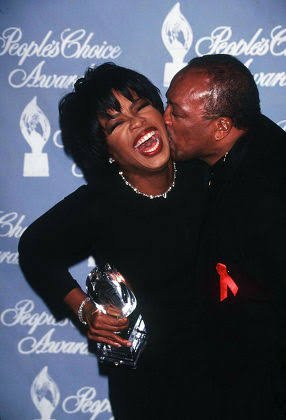

John Fisher and Oprah Winfrey are associated with very different corners of American business. Fisher is known for his involvement in the family-owned Gap retail empire and professional sports ownership, while Winfrey built a media career that expanded into television production, publishing, entertainment, and philanthropy. Their professional backgrounds illustrate how influence can develop through different combinations of family resources, personal talent, strategic decisions, and long-term investment.
Interest in John Fisher and Oprah Winfrey offers an opportunity to explore more than their financial standing. Their careers raise broader questions about business leadership, public reputation, wealth creation, and the responsibilities that come with owning influential organizations.
Although the two figures are not generally known as a business partnership or as a pair with a shared professional venture, examining their backgrounds side by side provides a useful perspective on two distinct models of American entrepreneurship.
Who Is John Fisher?
John J. Fisher is an American businessman and investor best known for his family’s connection to Gap Inc. and his involvement in professional sports ownership. He is the son of Donald Fisher and Doris F. Fisher, who co-founded Gap in San Francisco in 1969.
The company grew from a single retail store into a major apparel business with several well-known brands. Over time, the Fisher family became associated with American retail, real estate investments, and sports ventures.
John Fisher pursued a business career that included investment activities and leadership roles connected to the family’s interests. His public profile is particularly associated with professional baseball and soccer, where ownership decisions can attract attention well beyond the business community.
His Connection to Gap Inc.
Gap Inc. is one of the best-known names in American apparel retail. Its history includes the development of Gap, Old Navy, Banana Republic, and Athleta, although the company’s brand portfolio and business strategy have changed over time.
The Fisher family’s association with Gap provides important context for understanding John’s business background. Growing up in a family connected to a major retail company offered exposure to the complexities of running and investing in established businesses.
However, family association and individual achievement are not the same thing. Understanding Fisher’s career requires distinguishing the origins of his financial position from the specific decisions he has made in his own business and sports ventures.
His Role in Professional Sports
Fisher has become a prominent figure in sports ownership, particularly through his association with the Oakland Athletics and the franchise’s planned relocation to Las Vegas. He has also been involved with the San Jose Earthquakes, a Major League Soccer club.
Sports ownership differs from many other forms of investment because teams represent more than financial assets. They carry local history, civic identity, emotional attachment, and relationships with generations of supporters.
As a result, decisions involving stadiums, relocation, ticket prices, and long-term investment can influence how owners are perceived by fans and local communities.
Fisher’s experience illustrates how business decisions in professional sports can become public issues, especially when a team has deep roots in a particular city.
Who Is Oprah Winfrey?


Oprah Winfrey is an American media executive, television personality, producer, author, and philanthropist. She became one of the most recognizable figures in American entertainment through her long-running daytime talk show and later expanded her influence into multiple industries.
Unlike Fisher, whose financial background is closely connected to an established family business, Winfrey developed her career through broadcasting and entertainment. Her professional journey demonstrates how communication skills, audience trust, ownership of creative work, and strategic brand development can create substantial business opportunities.
Her career also shows how a public figure can build an enterprise around a distinctive personal identity while expanding into businesses that operate beyond the original platform.
From Broadcasting to National Recognition
Winfrey began her broadcasting career in local radio and television before moving into national prominence. Her work as a talk show host helped distinguish her through a conversational style that combined interviews, personal storytelling, and discussions of subjects affecting everyday life.
The Oprah Winfrey Show premiered nationally in 1986 and became one of the most influential programs in American daytime television. The show’s format brought celebrities, authors, experts, and ordinary people into conversations about relationships, health, personal development, culture, and social issues.
Its success gave Winfrey something more valuable than visibility alone: a direct connection with a large and loyal audience.
That relationship became an important foundation for her later business ventures.
Building an Enterprise Through Harpo Productions
One of Winfrey’s significant business decisions was establishing greater control over the production of her work through Harpo Productions.
The company allowed her to participate in producing and developing content rather than relying exclusively on her role as an on-screen personality. This distinction matters because ownership can create opportunities to benefit from a project’s broader commercial value.
Her media ventures eventually expanded into film and television production, publishing, and other forms of entertainment. She also helped create the Oprah’s Book Club phenomenon, demonstrating how a trusted media platform can influence reading habits and bring wider attention to authors and books.
Winfrey’s career is an example of turning professional recognition into a diversified business portfolio. Instead of depending on a single television program, she developed opportunities across several related industries.
Expanding Beyond Television
Winfrey’s influence has extended well beyond her original talk show.
Her ventures have included the Oprah Winfrey Network, commonly known as OWN, and digital and publishing initiatives associated with her broader media brand. She has also appeared in films, supported creative projects, and maintained a public presence through interviews, special programs, and cultural conversations.
This expansion reflects an important business principle: a strong audience relationship can create opportunities in multiple formats, provided the content and brand remain relevant.
However, diversification does not eliminate business risk. Media companies face changing viewing habits, competition from streaming services, advertising pressures, and the challenge of maintaining audience interest over time.
Winfrey’s experience illustrates both the potential of a recognizable personal brand and the importance of adapting as the entertainment industry changes.
John Fisher and Oprah Winfrey: What Do They Have in Common?
Although their professional backgrounds differ, comparing John Fisher and Oprah Winfrey reveals several shared themes.
Both are prominent American business figures whose activities extend beyond a single company or industry. Both have had opportunities to influence large organizations, and both demonstrate how ownership can shape a person’s long-term business position.
Their similarities, however, should not obscure the differences in how their careers developed.
Different Foundations for Wealth
Fisher’s financial background is closely associated with the wealth created by his parents, Donald and Doris Fisher, through Gap Inc. He subsequently pursued investment and sports-related business interests.
Winfrey, by contrast, built her public career through broadcasting and used her professional success to develop production and media ventures.
This distinction is important when evaluating business success. Wealth may come from founding a company, inheriting family assets, investing capital, building a personal brand, or combining several of these paths.
A fair comparison considers each person’s starting position, individual decisions, and the specific contributions they have made.
Ownership as a Source of Influence
Ownership is a recurring theme in both careers.
Fisher’s involvement in sports teams gives him influence over major organizational decisions, including investment and franchise strategy. Winfrey’s production company gave her greater control over the creation and development of media content.
The industries are different, but the underlying principle is similar: owning or controlling an important business asset can provide more decision-making power than participating in an organization solely as an employee or public-facing figure.
Ownership can also bring greater responsibility. Decisions affect workers, customers, audiences, investors, communities, and other stakeholders.
Public Reputation and Accountability
Public visibility can become an asset, but it can also increase scrutiny.
Winfrey’s reputation is closely connected to her media work, public conversations, and charitable activities. Her audience relationships have helped establish her influence across entertainment and publishing.
Fisher’s public profile is more closely associated with private investment and professional sports ownership. His decisions involving the Athletics have attracted significant attention because the franchise has a long history in Oakland and its relocation has affected fans and the surrounding community.
These examples show that public reputation depends on more than financial resources. The way leaders communicate, respond to criticism, and make decisions can influence how their organizations are perceived.
Business Strategies: What Their Careers Can Teach Us
The careers of John Fisher and Oprah Winfrey offer different lessons for people interested in entrepreneurship, investment, and leadership.
1. Understand the Advantages of Your Starting Position
Fisher’s family background provided access to significant business resources and connections. Winfrey’s career developed through broadcasting, where her professional abilities and growing audience helped create opportunities.
For aspiring entrepreneurs, the lesson is not that one path is superior. It is that understanding your available resources can help you make better decisions.
Someone starting a small business might rely on industry knowledge, personal savings, customer relationships, or a specialized skill. Another entrepreneur might have access to family capital or an established business network.
Recognizing these differences creates a more realistic understanding of how businesses grow.
2. Build Long-Term Value Rather Than Relying on Visibility
Winfrey’s media career demonstrates the value of developing assets beyond personal recognition. Her production company and publishing ventures gave her ways to participate in the commercial opportunities associated with her work.
For business owners, this suggests that popularity alone is not a complete business strategy. A sustainable enterprise needs systems, intellectual property, customer relationships, and revenue sources that can continue to operate as markets change.
Fisher’s investments illustrate another approach: holding interests in established businesses and organizations whose value depends on management decisions, capital allocation, and long-term strategy.
Both models require careful judgment, even though their day-to-day responsibilities differ.
3. Recognize That Public Trust Is a Business Asset
Winfrey’s relationship with her audience has been central to her influence. Her book recommendations, interviews, and media projects have demonstrated how public trust can translate into attention for other people and products.
That influence also creates responsibility. Audiences expect accuracy, transparency, and thoughtful judgment from people whose recommendations can affect their decisions.
In sports, trust works differently but remains important. Fans may judge an owner by the team’s performance, investment in facilities, affordability, and commitment to its community.
For business leaders in any industry, maintaining trust requires more than a strong public image. Actions must support the expectations that image creates.
Oprah Winfrey’s Philanthropy and John Fisher’s Community Involvement
Philanthropy is another area worth considering when examining the public roles of these business figures, although their approaches and public profiles differ.
Oprah Winfrey’s Educational Initiatives
Winfrey has supported educational opportunities through scholarships, charitable giving, and the Oprah Winfrey Leadership Academy for Girls in South Africa.
Her charitable work reflects a long-standing emphasis on education as a means of expanding opportunity. The Oprah Winfrey Charitable Foundation supports organizations serving children, families, and communities, with a particular focus on education.
John Fisher’s Educational and Civic Interests
Fisher has been associated with education-focused philanthropy, including the KIPP Foundation, a nonprofit organization supporting a network of public charter schools. His involvement in education-related organizations demonstrates that his business interests are not limited to retail investments and professional sports.
However, philanthropy should be evaluated on its own merits rather than treated as a simple measure of a person’s overall character. Contributions, organizational outcomes, transparency, and the effects on beneficiaries all matter.
Similarly, charitable activity does not eliminate the need to assess controversial business decisions separately.
Why John Fisher’s Sports Ownership Attracts Attention
Fisher’s association with the Oakland Athletics provides an example of how a business decision can become a wider public issue.
The Athletics played in Oakland for decades, developing a substantial local following. Plans to relocate the franchise to Las Vegas generated strong reactions from fans and people connected to the Bay Area.
In a letter dated November 16, 2023, Fisher discussed the difficulties the organization had encountered while pursuing a new stadium in Oakland and explained the ownership group’s position on relocation. His account emphasized the challenges of securing an agreement for a new ballpark, while many supporters expressed disappointment over the team’s departure.
This situation highlights a broader tension in professional sports: owners must consider financial sustainability, stadium arrangements, league requirements, and potential revenue, while communities often view teams as important cultural institutions.
Neither perspective can be fully understood by looking only at the financial value of a franchise.
Winfrey’s media business faces a different set of challenges. Her ventures depend on audience engagement, programming decisions, distribution agreements, and changes in media consumption. Fisher’s sports investments depend on the economics of professional teams and the decisions surrounding their operations.
The comparison reinforces a useful point: business ownership can create influence, but it also exposes leaders to scrutiny from stakeholders who may have very different priorities.
Are John Fisher and Oprah Winfrey Business Partners?
There is no widely established public evidence that John Fisher and Oprah Winfrey operate a shared business venture or have a prominent professional partnership.
Their names can appear together in searches about wealthy Americans, business leaders, entrepreneurs, and public figures. That does not establish a direct business relationship.
When researching two prominent individuals, it is useful to distinguish between a genuine connection and a comparison based on their professional achievements.
A confirmed partnership would ordinarily be supported by reliable reporting, corporate announcements, company records, or statements from the people involved. Without such evidence, it would be misleading to suggest that the two have collaborated.
Frequently Asked Questions
1. Who is John Fisher?
John Fisher is an American businessman and investor associated with the Fisher family, which co-founded Gap Inc. He is also known for his involvement in professional sports ownership, particularly the Athletics baseball franchise and the San Jose Earthquakes soccer club.
2. Who is Oprah Winfrey?
Oprah Winfrey is an American media executive, producer, television personality, actress, author, and philanthropist. She became nationally famous through The Oprah Winfrey Show and subsequently developed businesses spanning television production, publishing, and entertainment.
3. Are John Fisher and Oprah Winfrey related?
There is no widely documented evidence that John Fisher and Oprah Winfrey are related. Their public biographies describe different family backgrounds and professional histories.
4. Are John Fisher and Oprah Winfrey business partners?
No prominent business partnership between them is publicly established. Fisher’s interests are associated with investment and sports ownership, while Winfrey’s career centers on media, entertainment, and related businesses.
5. How did John Fisher build his wealth?
Fisher’s wealth is closely connected to his family’s business interests and the legacy of Gap Inc., which his parents founded. He also pursued investment activities and developed interests in professional sports.
6. How did Oprah Winfrey become successful?
Winfrey developed her career through radio and television broadcasting. The success of her nationally syndicated talk show helped her establish Harpo Productions and expand into additional media, publishing, and entertainment ventures.
7. What is the biggest difference between their business careers?
The most significant difference is their primary route to influence. Fisher’s financial background is closely linked to inherited family wealth and investments, while Winfrey built her media career through broadcasting and expanded her business interests through production and audience development.
8. What companies or organizations is Oprah Winfrey associated with?
Winfrey is associated with Harpo Productions, OWN, Oprah’s Book Club, and the Oprah Daily media brand, among other ventures. Her business interests and roles have evolved over time.
9. Why is John Fisher controversial among some sports fans?
Fisher has faced criticism from Oakland Athletics supporters over the franchise’s planned relocation from Oakland to Las Vegas. Many fans have expressed disappointment about losing a team with a long history in their community.
10. What can entrepreneurs learn from John Fisher and Oprah Winfrey?
Their careers illustrate different approaches to building and managing business interests. Useful lessons include understanding your starting resources, developing valuable assets, making informed investments, maintaining stakeholder trust, and recognizing the responsibilities associated with public influence.
Conclusion
John Fisher and Oprah Winfrey represent two distinct paths to prominence in American business. Fisher’s career is closely connected to family business wealth, investment management, and professional sports ownership. Winfrey’s career grew from broadcasting into a broad media enterprise supported by production, publishing, and a recognizable personal brand.
Their experiences show that business influence can emerge through different routes, but ownership and public visibility bring both opportunities and responsibilities. Financial resources alone do not explain a person’s professional impact, and public recognition does not guarantee that every business decision will succeed.
For readers researching John Fisher and Oprah Winfrey, the most useful perspective is to consider their individual careers, sources of influence, business decisions, and community impact without assuming a direct relationship between them. Together, their stories offer a broader look at how wealth, entrepreneurship, reputation, and leadership intersect in American public life.