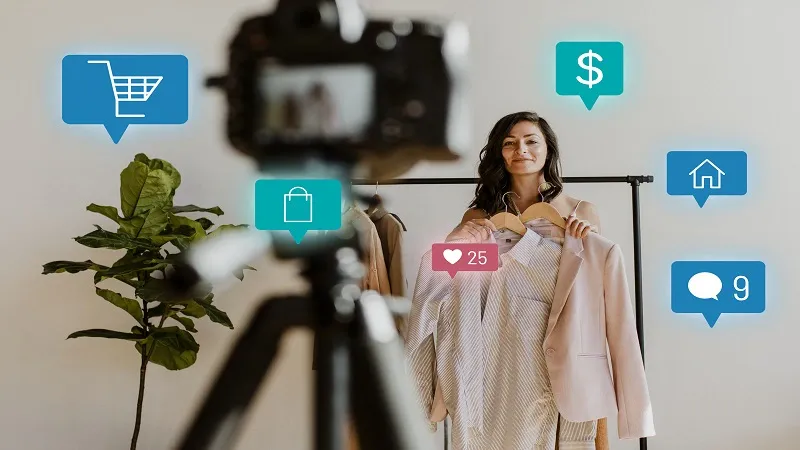

Influencer marketing has become an important part of how businesses introduce products, reach new audiences, and build trust with potential customers. Instead of relying exclusively on traditional advertising, brands can collaborate with content creators who have established relationships with audiences on social media and other digital platforms. However, finding suitable influencers, coordinating campaigns, and measuring results can be challenging without a clear process.
This is where Tomoson influencer marketing becomes a relevant topic for businesses exploring influencer discovery and campaign management tools. Tomoson is an influencer marketing platform designed to connect brands with creators and organize promotional collaborations, including product-focused campaigns.
For small businesses, e-commerce brands, and marketing teams, understanding how an influencer platform fits into a broader strategy can make it easier to evaluate opportunities and avoid costly mistakes. The goal is not simply to find creators with large followings. It is to build partnerships that reach the right people, communicate a credible message, and produce measurable business results.
This guide explains how Tomoson influencer marketing works, the potential benefits for businesses, and the practical steps involved in planning successful creator campaigns.
What Is Tomoson Influencer Marketing?
Tomoson influencer marketing refers to using the Tomoson platform to facilitate collaborations between brands and content creators. These collaborations can involve product promotion, product reviews, social media content, tutorials, and other forms of creator-led marketing, depending on the campaign requirements.
The broader purpose of influencer marketing software is to make creator partnerships easier to organize. Rather than managing every conversation through separate emails and social media messages, businesses can use specialized tools to identify potential partners, coordinate campaigns, and monitor completed work.
For example, a small skincare company launching a new moisturizer might want to reach consumers interested in beauty routines. It could evaluate creators who regularly publish skincare tutorials, explain product ingredients, or discuss personal care products. A suitable partnership could introduce the moisturizer to an audience already interested in the category.
The effectiveness of that campaign would depend on more than the platform itself. Creator credibility, audience relevance, content quality, disclosure practices, and the product’s value proposition would all influence the outcome.
Businesses should also verify the platform’s current features, pricing, and supported campaign types before committing to a subscription.
How Does Tomoson Influencer Marketing Work?
Influencer marketing platforms help brands organize the process of finding creators, establishing campaign requirements, distributing products, and monitoring completed work.
Tomoson’s campaign process generally revolves around several important stages.
1. Define the Campaign Objective
Before searching for influencers, a business should determine what it wants to accomplish. A campaign designed to introduce a new product will require a different approach from one focused on website visits or sales.
Common objectives include:
- Introducing a product to a new audience.
- Generating product demonstrations and user-generated content.
- Encouraging potential customers to learn more about a product.
- Supporting a product launch or seasonal promotion.
- Increasing referral traffic and measuring attributable sales.
A clearly defined objective helps businesses choose suitable creators and establish meaningful performance indicators.
2. Create a Campaign Brief
A campaign brief explains the product, intended audience, required deliverables, compensation, and expected timeline.
For example, a home organization brand might seek creators who regularly share storage ideas, cleaning routines, or small-space decorating tips. The brief could explain which product is available, what the creator will receive, and whether the campaign calls for a video demonstration, photographs, or a written review.
The brief should distinguish essential requirements from optional creative suggestions. Creators need enough information to understand the assignment without being pressured to deliver a predetermined opinion.
3. Find and Evaluate Suitable Creators
Brands can assess potential collaborators based on their niche, audience characteristics, social media presence, and suitability for the campaign.
When evaluating creators, businesses should look beyond follower counts. Relevant considerations include audience interests, engagement quality, content consistency, previous sponsored partnerships, and the creator’s ability to explain products clearly.
A smaller creator with a highly relevant audience may be a better fit than a much larger account whose followers have little interest in the product.
4. Coordinate Product Delivery and Content Creation
Once a brand approves a creator, both parties need to understand the next steps.
For product-seeding campaigns, this may include shipping a sample, confirming receipt, allowing sufficient time for testing, and agreeing on a reasonable publication schedule. Other arrangements may involve a negotiated fee or a different compensation structure.
Businesses should clarify whether they want organic posts, short-form videos, blog content, or other deliverables. Usage rights for republishing the creator’s work should also be agreed upon explicitly.
5. Verify Deliverables and Review Performance
After the content is published, the brand can collect the relevant post details and performance information.
However, verifying that content was published is not the same as measuring its business impact. Brands should also review referral traffic, conversions, audience engagement, and other indicators connected to their original campaign objectives.
Key Benefits of Tomoson Influencer Marketing
Influencer marketing tools can reduce the administrative work associated with creator collaborations. Whether Tomoson is the right option depends on a business’s needs, budget, and access to the features it requires.
More Organized Influencer Outreach
Finding creators individually can involve extensive research, repeated emails, negotiations, and follow-ups. A centralized campaign workflow can make these activities easier to coordinate.
For small marketing teams, reducing administrative work may leave more time for evaluating content quality and improving campaign strategy.
Access to Niche Creators
Influencer marketing does not have to focus on celebrities or accounts with millions of followers. Many effective partnerships involve creators who serve specific communities.
A specialty coffee company, for instance, could work with creators who discuss home brewing, coffee equipment, or independent roasters. Their audiences may already be interested in the product category, making the partnership more relevant.
The important factor is not simply whether a creator belongs to a niche. The creator’s audience and content should align with the brand’s actual customers.
Opportunities to Generate User-Generated Content
Product demonstrations, tutorials, unboxing videos, and personal experiences can help shoppers understand how an item works.
With appropriate permission, brands may be able to reuse creator-produced content in other marketing channels, including product pages, email campaigns, and paid social advertising. Usage rights, platform policies, and additional compensation should be settled before repurposing the material.
Creator content can support a broader marketing strategy, but its usefulness depends on quality, authenticity, and relevance rather than volume alone.
A Practical Way to Test New Products
Smaller campaigns can help businesses explore which messages, product features, and content formats resonate with their intended audience.
For example, a company introducing reusable water bottles could test partnerships with outdoor enthusiasts, fitness creators, and sustainability-focused bloggers. Comparing the results may help the company identify which audience responds most positively.
Such testing does not guarantee sales. It provides information that can guide future decisions and help businesses allocate their marketing budgets more thoughtfully.
How to Choose the Right Influencers for a Campaign
Selecting the right creator is one of the most important decisions in influencer marketing. A well-organized platform cannot compensate for a poor match between the product, the creator, and the intended audience.
Prioritize Audience Relevance
Start by identifying the people most likely to benefit from the product. Consider their interests, needs, geographic location, and purchasing behavior.
A U.S. skincare brand targeting consumers interested in sensitive-skin routines should look for creators whose content regularly addresses skincare practices and product evaluation. A general lifestyle account might still be suitable, but its audience fit needs to be assessed rather than assumed.
Examine Engagement Quality
Likes and comments can help indicate how an audience responds to content, but the numbers need context.
Look for comments that demonstrate genuine interest, relevant questions, and meaningful discussion. Repeated generic comments or engagement patterns that appear inconsistent with an account’s audience size deserve further investigation.
Where possible, ask creators for recent performance data from their own analytics dashboards.
Review Content Quality and Credibility
Examine previous posts to determine whether the creator communicates clearly, presents products accurately, and maintains a consistent style.
Creators who regularly publish thoughtful reviews or useful demonstrations may be especially suitable for products that require explanation. For visually driven products, photography and video quality may be more important.
Brands should also review how creators disclose sponsored relationships and whether their past content appears trustworthy.
Match the Creator to the Campaign Goal
Different creators can serve different purposes.
| Campaign objective | Creator characteristics to prioritize |
|---|---|
| Brand awareness | Relevant audience reach and strong content distribution |
| Product education | Clear demonstrations and informative content |
| Community engagement | Meaningful conversations and audience trust |
| Website traffic | Relevant content with effective calls to action |
| Sales generation | Purchase-intent audience and measurable referral performance |
| Content production | Strong creative skills and suitable usage rights |
These are general selection guidelines, not guarantees of performance. The best choice depends on the product, campaign budget, and evidence available.
Tomoson Influencer Marketing Costs and Budget Considerations
The total cost of influencer marketing includes more than the software subscription or platform fee. Businesses should account for creator compensation, product costs, shipping, content production, and any additional advertising or licensing expenses.
Tomoson’s brand pricing model has included a monthly subscription following a trial period. Because pricing, trial conditions, and included features can change, businesses should confirm the current terms before signing up.
A useful budget should include the following categories:
- Platform costs: Subscription charges and any applicable usage-based fees.
- Product costs: The cost of samples or merchandise supplied to creators.
- Shipping and fulfillment: Packaging, postage, and delivery-related expenses.
- Creator compensation: Fees, commissions, or other agreed payments.
- Content licensing: Additional charges for advertising or republishing creator content.
- Measurement: Tools and staff time required to track campaign performance.
Product-only arrangements are not automatically inexpensive. Creators invest time in testing products, planning content, filming, editing, and publishing. Some campaigns may therefore require monetary compensation in addition to samples.
Before committing to a plan, businesses should calculate the likely total campaign cost and compare it with realistic business objectives.
How to Measure Influencer Marketing ROI
Return on investment, or ROI, helps businesses evaluate whether a campaign generated sufficient value relative to its cost. Measuring it requires a clear objective, reliable tracking, and realistic attribution assumptions.
Track the Right Metrics
Useful indicators include:
- Reach and impressions: How many people potentially saw the content.
- Engagement rate: How audiences interacted with the published material.
- Referral traffic: Visits generated through tracked creator links.
- Conversion rate: The proportion of relevant visitors who completed a desired action.
- Cost per acquisition: The campaign cost associated with each acquired customer.
- Revenue attributed to the campaign: Sales linked to tracked campaign activity.
- Content value: The usefulness of creator assets for future marketing.
Not every campaign should be judged by immediate sales. A brand-awareness campaign may focus on relevant reach and audience recognition, while a performance-oriented campaign may prioritize conversions and acquisition costs.
Use Tracking Links and Unique Codes
Tracking parameters can identify traffic from individual creator campaigns in analytics tools. Unique discount codes or affiliate links may also help attribute purchases to particular partnerships.
These methods have limitations. Customers may discover a product through an influencer and purchase later through a different channel. Some purchases may occur on another device or without using the assigned code.
For this reason, businesses should combine tracking data with other evidence rather than assuming every conversion can be attributed perfectly.
Calculate ROI Carefully
A common ROI formula is:
\[ \text{ROI}=\frac{\text{Revenue}-\text{Total Cost}}{\text{Total Cost}}\times100 \]
Suppose a campaign costs $1,000 in total and generates $1,600 in attributable revenue.
The calculation produces a 60% revenue-based ROI. However, this is not the same as profit-based ROI because revenue does not account for product costs, fulfillment expenses, or other costs that may not be included in the campaign budget.
For a more useful business assessment, brands should consider gross profit, incremental sales, and the limitations of their attribution methods.
Common Mistakes to Avoid
Even well-planned influencer campaigns can underperform when businesses overlook basic operational and strategic considerations.
Choosing Creators Based Only on Follower Counts
Large audiences can create visibility, but follower totals alone do not establish relevance, trust, or purchasing intent.
Evaluate the creator’s content, audience, engagement quality, and suitability for the product before making a decision.
Providing Unclear Campaign Instructions
Vague expectations can lead to missed deadlines, unsuitable content, and disagreements over deliverables.
Every campaign should clearly describe the required content, timing, compensation, disclosure expectations, and any agreed approval process.
Expecting Only Positive Reviews
Product testing should not require creators to provide favorable opinions. A credible review reflects the creator’s actual experience.
Brands should focus on providing accurate product information and a good customer experience rather than trying to control a creator’s genuine assessment. Honest reviews also help businesses understand how customers perceive their products.
Ignoring Advertising Disclosure Requirements
In the United States, Federal Trade Commission endorsement guidelines are relevant to influencer partnerships. Material connections between brands and creators, including payments, gifts, and other benefits, may require clear and conspicuous disclosure.
Businesses should establish appropriate disclosure expectations and ensure their campaigns comply with applicable advertising rules. Social platforms may impose additional requirements.
Failing to Follow Up After a Campaign
A campaign should not end when the content goes live. Reviewing results can reveal which creators, messages, and formats deserve further investment.
Brands should document lessons learned, retain relevant performance data, and identify promising creators for future collaborations.
Is Tomoson Influencer Marketing Right for Your Business?
Tomoson may be worth evaluating for businesses interested in structured creator outreach, product-focused campaigns, and coordinating collaborations with bloggers or social media influencers.
It may be particularly relevant to smaller e-commerce brands that want to test product seeding or build relationships with creators in specific niches.
However, businesses seeking advanced audience analytics, extensive enterprise reporting, specialized social platform integrations, or highly customized campaign management should compare the platform’s current offering with other influencer marketing solutions.
Before making a decision, verify that the platform is accessible, its features meet your needs, its pricing is transparent, and its current terms support your intended campaign. These checks are important because product features and commercial arrangements can change over time.
The best platform is not necessarily the one with the largest creator directory. It is the one that fits the business’s workflow and makes it possible to manage partnerships responsibly and measure meaningful outcomes.
Frequently Asked Questions
What is Tomoson influencer marketing?
Tomoson influencer marketing refers to using the Tomoson platform to facilitate collaborations between brands and content creators. Campaigns may involve product reviews, creator content, and promotional activities, depending on the available features and campaign requirements.
Is Tomoson suitable for small businesses?
It may be suitable for small businesses that want to organize creator partnerships without managing every interaction independently. Suitability depends on current access, available features, subscription costs, and the business’s campaign objectives.
How do brands find influencers on Tomoson?
Brands establish campaign requirements and evaluate creator applications. They can consider factors such as niche relevance, audience characteristics, and the creator’s ability to complete the requested work. Available discovery features should be verified before choosing a plan.
Does Tomoson charge influencers to join?
Tomoson’s published influencer information has stated that joining is free for influencers. Creators should review the current terms to understand eligibility requirements, campaign responsibilities, and any applicable conditions.
How much does Tomoson cost for brands?
Tomoson has offered a trial followed by a monthly subscription for brands. Actual costs may depend on the current plan and campaign usage, so businesses should verify current pricing and trial restrictions directly.
Can influencer marketing generate sales?
Yes, influencer campaigns can contribute to sales when the creator, audience, product, and offer are well matched. Results vary, and sales should be measured using appropriate tracking methods rather than assumed from impressions or engagement alone.
Are micro-influencers useful for product promotion?
Micro-influencers can be valuable when they serve a relevant audience and have established credibility in a specific niche. Their suitability depends on audience quality, content, compensation, and campaign goals rather than follower count alone.
How should brands measure influencer campaign performance?
Brands can track referral traffic, conversions, attributed revenue, Tomoson Influencer Marketing engagement, acquisition costs, and content performance. The most useful metrics depend on whether the campaign aims to build awareness, educate consumers, or generate sales.
Do influencers have to give positive reviews?
A trustworthy review should reflect the creator’s genuine experience. Brands should not require positive opinions as a condition of receiving a product or compensation. Applicable platform policies and advertising rules must also be followed.
What should businesses check before using Tomoson?
Businesses should verify current platform availability, pricing, campaign features, creator selection options, terms of service, and measurement capabilities. They should also ensure that campaign instructions and compensation arrangements are clear before inviting creators.
Conclusion
Tomoson influencer marketing offers a useful framework for understanding how brands and content creators can work together through organized campaigns. For businesses exploring influencer partnerships, the main considerations are audience relevance, transparent expectations, appropriate compensation, honest content, and reliable performance measurement.
A successful campaign begins with a clear objective and a carefully selected group of creators. It continues with effective communication, responsible product promotion, and a consistent approach to evaluating results.
Ultimately, the value of any influencer marketing platform depends on how well it supports a brand’s goals. By assessing current features, calculating the full campaign cost, and measuring meaningful outcomes, businesses can make more informed decisions about whether Tomoson belongs in their marketing strategy.